Photography Tips for Everest Base Camp Trek
- soleencounters
Introduction
The Everest Base Camp trek offers some of the most breathtaking landscapes in the world, making it a dream destination for photography enthusiasts. From towering snow-capped peaks to vibrant Sherpa villages and unique cultural moments, the Everest region is a photographer’s paradise. However, capturing these moments in the challenging high-altitude environment requires careful planning, the right gear, and an understanding of camera settings adapted to mountain conditions.
Table of Contents
Whether you are a professional photographer or an avid traveler wanting to document your journey, this guide from Sole Encounters Trekking Pvt. Ltd. provides comprehensive photography tips tailored specifically for the Everest Base Camp trek. You’ll learn what equipment to bring, how to adjust your camera settings, and practical advice to help you take stunning photos throughout your adventure.
Essential Photography Gear for Everest Base Camp Trek
Photography gear choice is crucial when trekking in the Everest region. The high altitude, cold temperatures, and rugged terrain demand durable, lightweight, and versatile equipment.
Camera Types
-
DSLRs and Mirrorless Cameras: These offer excellent image quality and manual controls. Mirrorless cameras tend to be lighter, which is beneficial on long treks.
-
Compact Cameras: Ideal for trekkers who prioritize portability and ease of use. Modern compacts can still deliver high-quality images.
-
Smartphones: Latest smartphones have powerful cameras and can serve as a convenient backup or primary device for casual photographers.
Lenses
-
Wide-Angle Lens (14-24mm or 16-35mm): Perfect for capturing expansive mountain landscapes and dramatic skies.
-
Standard Zoom Lens (24-70mm): Versatile for general shots including landscapes and portraits.
-
Telephoto Lens (70-200mm): Useful for isolating distant peaks or wildlife without disturbing the environment.
Accessories
-
Tripod: Essential for sharp images in low light, sunrise/sunset shots, and long exposures.
-
Extra Batteries: Cold temperatures drain batteries faster; carrying spares is critical.
-
Memory Cards: Bring multiple high-capacity cards to avoid running out of storage.
-
Lens Cleaning Kit: Dust and moisture are common on trails; keeping your lens clean improves image clarity.
-
Protective Camera Bag: Weather-resistant and padded bags protect gear from rough conditions.
Camera Settings for Capturing Everest’s Stunning Views
Understanding how to adjust your camera settings is key to overcoming challenges like intense sunlight, deep shadows, and rapidly changing weather.
Exposure Settings
-
ISO: Keep ISO as low as possible (100-400) to reduce noise in bright daylight. Increase ISO cautiously in low light or overcast conditions.
-
Aperture: Use small apertures (f/8 to f/16) for landscape shots to ensure a wide depth of field and sharp details throughout the frame.
-
Shutter Speed: Fast shutter speeds (1/500s or faster) freeze movement, useful for windy conditions or wildlife. Slow shutter speeds are effective for creative effects such as flowing rivers or clouds but require a tripod.
White Balance
Set white balance to “Daylight” or “Cloudy” depending on weather to capture natural colors. Shooting in RAW format allows you to adjust white balance accurately during post-processing.
Focus Mode
Use single-point autofocus for precise focusing on specific subjects like mountain peaks or people. For panoramic shots, manual focus set to infinity can be more reliable.
Tips for Shooting in the Everest Region
1. Make Use of Golden Hours
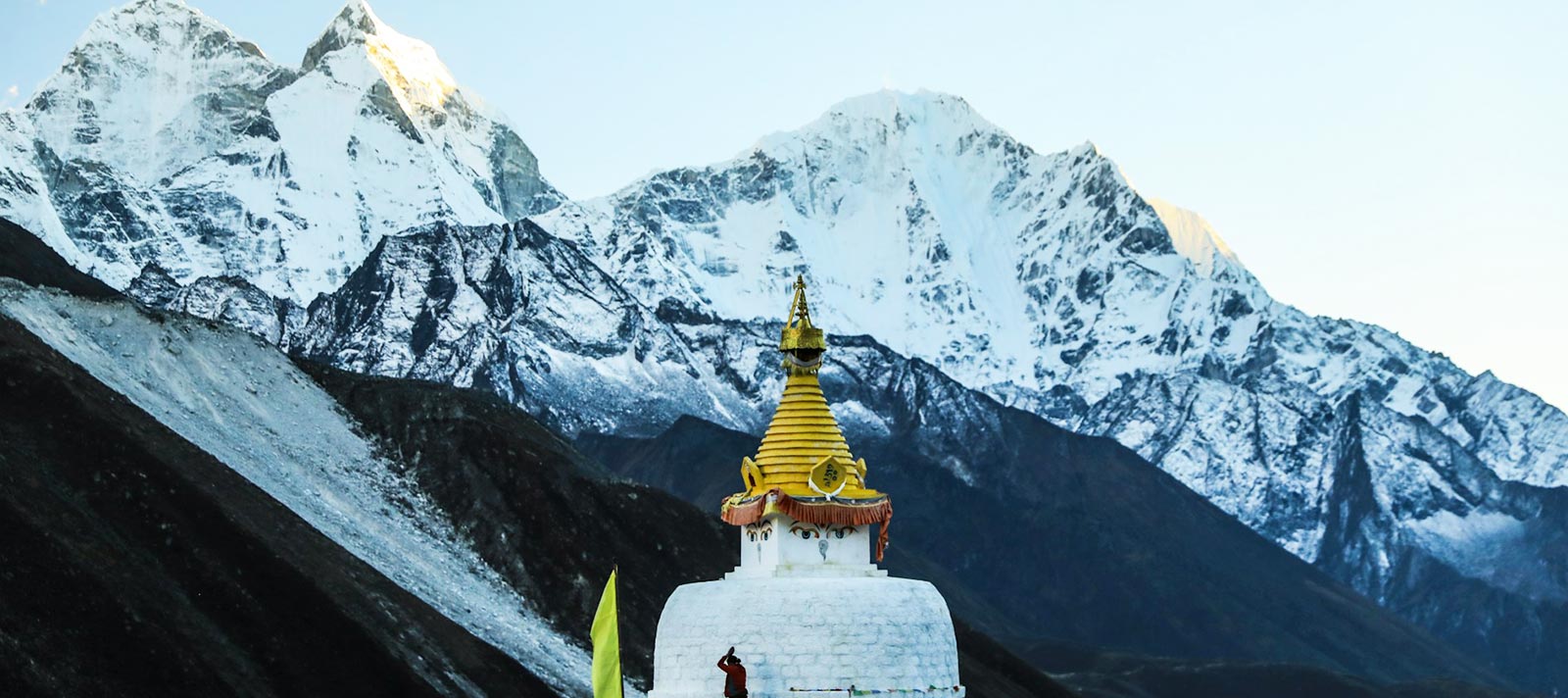
Sunrise and sunset provide soft, warm light that enhances the texture and colors of the Himalayan landscape. Plan your shoots around these times for the most dramatic photographs, especially from viewpoints like Kala Patthar or Tengboche Monastery.
2. Protect Your Equipment from Cold
Cold weather can affect battery life and camera mechanics. Keep batteries warm by storing them close to your body, and avoid sudden temperature changes to prevent lens fogging. Using a weather-sealed camera or protective covers is advisable.
3. Capture Local Culture
The Everest region is rich in Sherpa culture, monasteries, prayer flags, and traditional architecture. Respectfully photographing people and villages adds meaningful context to your travel story. Always ask permission before taking portraits.
4. Use Leading Lines and Foreground Interest
Incorporate trails, rivers, prayer flags, or rock formations in the foreground to add depth and guide the viewer’s eye through the image.
5. Shoot in RAW
RAW files retain more detail and dynamic range, providing greater flexibility in post-processing to enhance exposure, contrast, and color without degrading quality.
Best Places for Photography on the Everest Base Camp Trek
-
Namche Bazaar: Vibrant market scenes and panoramic views.
-
Tengboche Monastery: Majestic mountain backdrop with spiritual atmosphere.
-
Dingboche and Lobuche: Dramatic alpine landscapes and glacier views.
-
Kala Patthar: Iconic Everest summit views at sunrise or sunset.
-
Everest Base Camp: The ultimate high-altitude mountaineering environment.
For more detailed information on the trek route and highlights, visit our Everest Base Camp Trek page.
When to Visit for Best Photography Conditions
The ideal trekking seasons for photography on the Everest Base Camp route are:
-
Spring (March to May): Clear skies, blooming rhododendrons, and moderate weather.
-
Autumn (September to November): Post-monsoon clarity offers crisp, vibrant views and stable weather.
Winter months are colder and daylight hours shorter, while the monsoon season often brings cloud cover and rain, limiting photographic opportunities.
Conclusion
Capturing the majestic beauty of the Everest Base Camp trek requires not only the right gear and technical skills but also a thoughtful approach to composition and timing. By preparing your camera equipment adequately, mastering essential settings, and understanding the best locations and seasons to shoot, you can create stunning images that truly reflect the grandeur of the Himalayas.
Partnering with a professional trekking company like Sole Encounters Trekking Pvt. Ltd. ensures your journey is safe, comfortable, and filled with opportunities to capture unforgettable photographs. Explore more about the Everest Base Camp Trek and get expert advice by reaching out to us at Talk to Experts.
For bookings or further assistance, please visit our Contact Us page.
Recent Posts
.jpg)
3rd Jul, 2025
.jpg)
4th Jul, 2025
.jpg)
4th Jul, 2025
.jpg)
7th Jul, 2025
.jpg)
8th Jul, 2025
.jpg)
8th Jul, 2025
.jpg)
8th Jul, 2025

10th Jul, 2025